The Perspective Behind the Record
Falorin Journal is an independent editorial publication focused on everyday nutrition practices and weight awareness. Founded in London, the journal maintains a long-form record of the relationship between food choices, seasonal eating, and the active life.

Notes That Became a Publication
Falorin Journal began as a private record — a nutritionist's field notebook, maintained over the course of a year in London, tracking the patterns that emerge when food choices are written down with honesty and reviewed with care. The notes accumulated. Patterns became visible. The connections between seasonal eating, daily movement, and weight awareness became clear enough to warrant a wider record.
The journal's founding premise is simple: that the most useful nutritional knowledge is not found in generalised frameworks but in the specific, attentive record of what is actually eaten, when, and in what context. This conviction shapes every article the publication produces.
Falorin Journal is not affiliated with any commercial, governmental, or institutional body. It operates as an independent editorial publication, funded by no single source, accountable to no commercial interest. Its editorial standards are set out in the Methodology section of this site.
Eleanor Whitfield is the founding editor of Falorin Journal. Her editorial background spans fourteen years of writing on food patterns, weight awareness, and everyday nutrition practices observed across London's markets and kitchens. She has maintained a personal food journal since 2011 and reviews submitted articles against the publication's editorial standards before publication.
Eleanor's approach to nutritional writing is grounded in the essayistic tradition — long observation, careful language, and a resistance to the prescriptive register that dominates much wellness writing. The food journal, as she understands it, is a record before it is a directive.

Tobias Marsden is a contributing writer to Falorin Journal, specialising in the relationship between physical activity patterns and everyday nutrition habits. He brings a background in long-form wellness journalism and has maintained a personal food and movement journal for over seven years.
Tobias's writing is informed by the conviction that movement and eating are not separate subjects requiring separate logbooks — they are a single narrative about how the body occupies a week. His articles for Falorin Journal reflect this integrated view.
The journal documents the relationship between food choices and gradual weight change — not as a programme, but as an observed pattern across weeks and months of recorded eating. The food journal is the primary tool. The observation is the primary output.
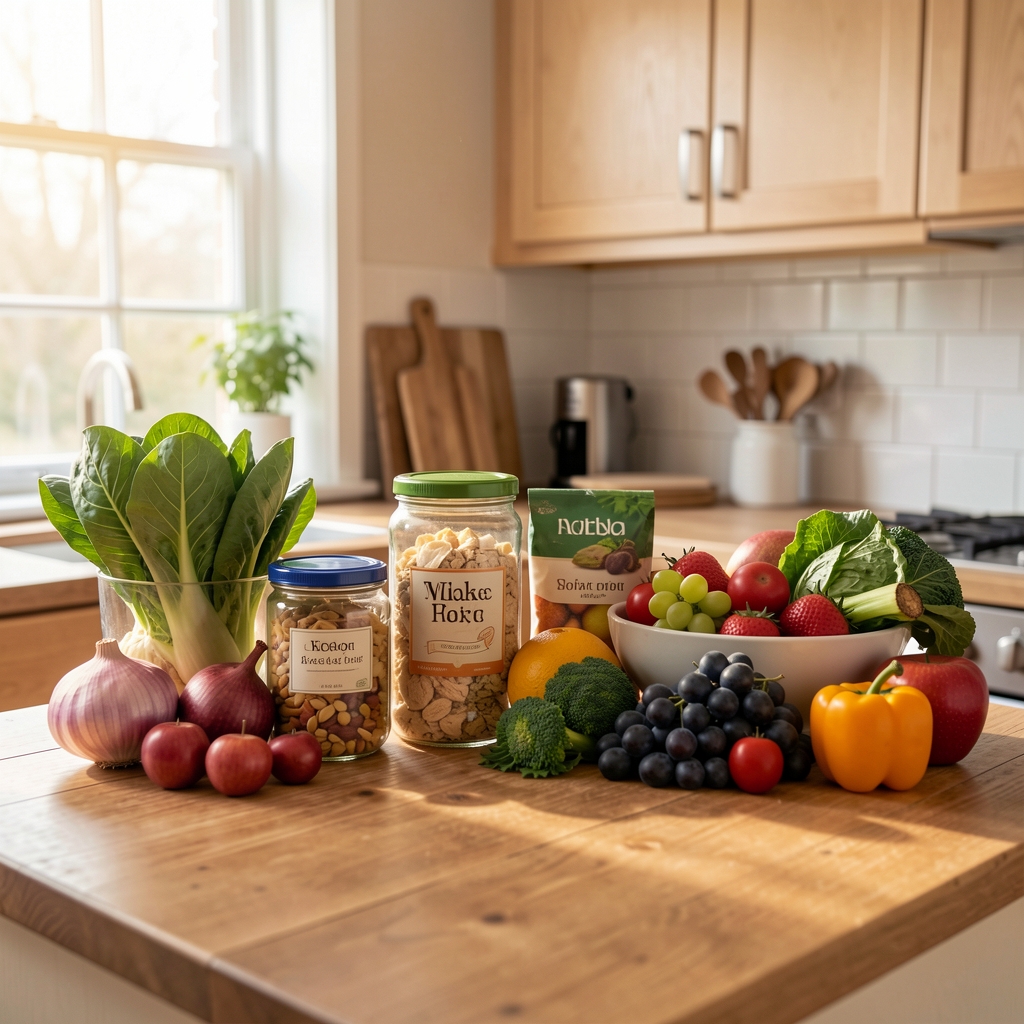
Seasonal produce, whole foods, and the weekly food rhythm are recurring subjects in the journal's record. The connection between what is growing, what is available at the market, and what appears on the plate is a structural concern of the publication.
The relationship between physical activity — from daily walking to structured sport — and eating patterns is a subject of sustained attention in the journal. The food diary, when read alongside a movement record, tells a more complete story than either record alone.